The Hidden Dangers of Cross-Contamination During Mold Remediation in Eddington
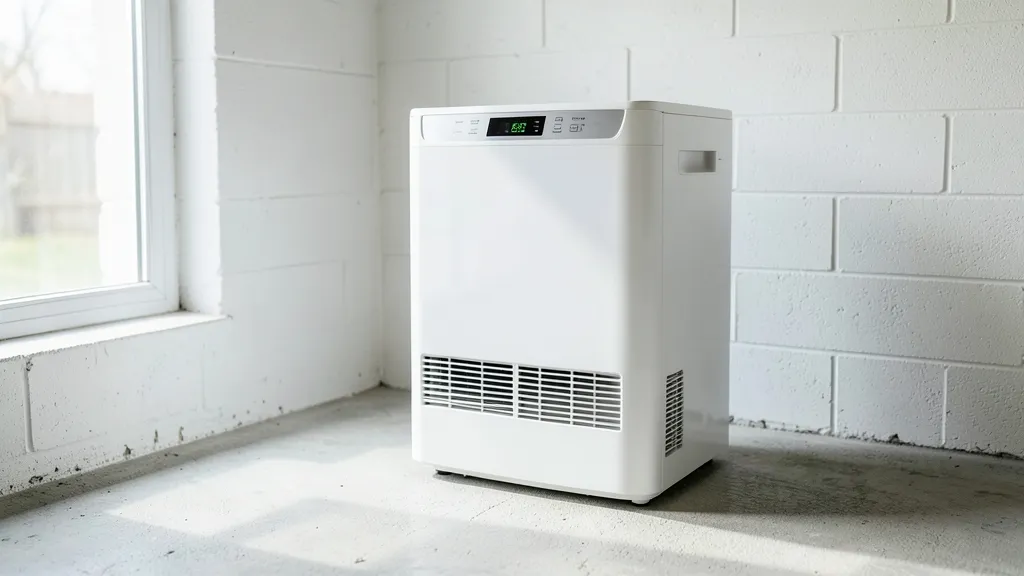
Mold doesn’t stay put. During remediation, invisible spores can hitch a ride on air currents, tools, or even your clothes, turning a small problem into a homewide infestation. In Eddington’s humid climate, this risk is even higher—unless you control it from the start.
What Is Cross-Contamination in Mold Remediation?
Cross-contamination occurs when mold spores from an affected area spread to clean spaces during removal. These microscopic particles can travel through HVAC systems, on footwear, or via improperly sealed containment zones.
Unlike visible mold growth, cross-contamination is invisible until it takes hold. By then, you may need full-home remediation instead of a targeted fix.
Why Eddington’s Climate Increases the Risk
Our region’s humidity and seasonal temperature swings create ideal conditions for mold growth. Basements in Andalusia or crawl spaces in Cornwells Heights often trap moisture, accelerating spore spread if not contained.
Summer storms and poor drainage in Bensalem or Croydon can also introduce excess water, feeding hidden mold that later contaminates other areas during removal.
Mold spores thrive above 60% humidity. Without dehumidification, even dead spores can reactivate and spread.
How Spores Spread During DIY or Poor Remediation
Disturbing mold without containment releases spores into the air. Fans, open windows, or HVAC systems then distribute them to attics, basements, or living spaces.
Using non-HEPA vacuums or reusing contaminated tools (like brushes or rags) transfers spores to new surfaces. Even walking through the area can track them to carpets or furniture.
In commercial spaces, shared ventilation systems can carry spores between offices, requiring broader remediation if not addressed early.
Professional Containment: The First Line of Defense
We use physical barriers—typically 6-mil polyethylene sheeting—to seal off the work area. Negative air pressure machines then pull air *into* the contained space, preventing spores from escaping.
HEPA air scrubbers filter out 99.97% of particles as small as 0.3 microns, capturing spores before they can settle elsewhere. This is critical in tight spaces like crawl spaces or attics, where airflow is restricted.
| Method | Effectiveness | Best For |
|---|---|---|
| Physical Barriers (Plastic Sheeting) | High (when sealed properly) | Small to medium residential areas |
| Negative Air Pressure | Very High | Large or commercial spaces |
| HEPA Air Scrubbers | High (for airborne spores) | All remediation projects |
| Local Exhaust Ventilation | Moderate | Spot treatments in well-ventilated areas |
PPE and Tool Decontamination: Non-Negotiables
Our team wears full PPE—respirators, gloves, and disposable suits—to prevent carrying spores on clothing. Tools are either disposable or cleaned with HEPA vacuums and antimicrobial solutions between uses.
A common mistake in DIY jobs? Reusing the same bucket of water to wipe down walls. This just redistributes spores instead of removing them.
Always bag and dispose of contaminated materials (like drywall or insulation) in sealed, labeled containers before removing them from the site.
HVAC Systems: A Hidden Spore Highway
Mold spores easily enter ductwork, spreading to every room served by the system. In Eddington homes with older HVAC units, this is a frequent source of cross-contamination.
Before remediation, we inspect and seal vents in the work area. Post-remediation, duct cleaning with HEPA filtration may be needed to ensure spores haven’t taken root.
Post-Remediation Verification: Don’t Skip This Step
Even with containment, verification is critical. We perform air quality testing and surface sampling to confirm spore levels are within safe ranges.
Without testing, you risk missing hidden contamination in wall cavities, under flooring, or in HVAC systems—areas that often require follow-up remediation.
Post-Remediation Checklist
- Visual inspection for remaining mold or moisture
- Air quality testing (spore count comparison to outdoor levels)
- Surface sampling in adjacent areas
- HVAC system inspection and cleaning if needed
- Moisture level check in walls/floors to prevent recurrence
Long-Term Prevention: Stopping the Cycle
Cross-contamination is a symptom of poor moisture control. We address root causes like leaks, poor ventilation, or high humidity in basements and crawl spaces.
In Eddington, homes near the Delaware River or in low-lying areas of Croydon often need sump pumps or vapor barriers. Attics require proper insulation and roof ventilation to prevent condensation.
How to Contain Mold During Small-Scale Cleanup
For minor mold (under 10 sq. ft.), these steps minimize cross-contamination risks.
- 1Isolate the Area
Seal the room with plastic sheeting and tape. Cover vents and doorways to block airflow.
- 2Use Proper PPE
Wear an N95 respirator, gloves, and goggles. Disposable coveralls prevent spores from sticking to clothing.
- 3Ventilate Safely
Open a window and place a fan blowing *outward* to exhaust spores outside, not into the home.
- 4Clean with HEPA Tools
Use a HEPA vacuum to remove loose spores before scrubbing surfaces with detergent or a mold-specific cleaner.
- 5Dry Thoroughly
Run a dehumidifier for 24–48 hours after cleanup to prevent regrowth. Recheck moisture levels with a meter.
- 6Dispose of Waste Properly
Double-bag all contaminated materials (rags, sheeting, etc.) and dispose of them according to local regulations.
Frequently Asked Questions
Can mold spores from my Eddington basement spread to the upstairs?
Absolutely. Without containment, spores travel via air currents, HVAC systems, or even on pets and people. Basements in our area often have high humidity, making this a common issue if not addressed professionally.
How do I know if cross-contamination happened after remediation?
Signs include musty odors in new areas, visible mold growth on previously clean surfaces, or allergy symptoms flaring up in other rooms. Post-remediation air quality testing can confirm spore levels.
Is DIY mold removal ever safe in Eddington?
For very small, non-toxic mold patches (like in a bathroom corner), DIY can work if you use proper containment and PPE. However, for larger areas, hidden mold, or if you suspect toxic strains, professional remediation is safer.
Why do commercial buildings in Bensalem or Croydon need stricter containment?
Commercial spaces often have shared ventilation, open floor plans, and high foot traffic—all of which accelerate spore spread. Containment must be more rigorous to protect employees and prevent liability issues.
Does homeowners insurance cover cross-contamination damage?
Coverage varies. Most policies exclude mold unless it’s the result of a covered peril (like a burst pipe). Document the cause and consult your insurer—request a quote from us to understand remediation costs upfront.
What’s the difference between mold removal and mold remediation?
Removal is just cleaning or tearing out moldy materials. Remediation includes containment, spore control, and addressing the moisture source to prevent recurrence. In Eddington’s climate, remediation is the only lasting solution.