Understanding Post-Remediation Verification Costs for Mold-Free Homes in Eddington
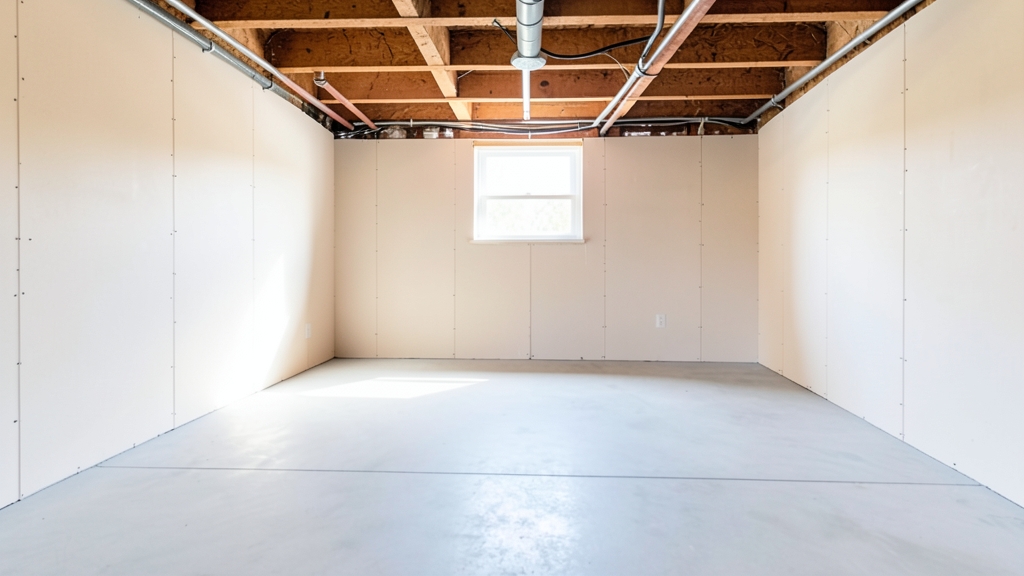
Post-remediation verification isn’t just a formality—it’s the critical step that confirms your Eddington home is truly mold-free. Without it, hidden spores can regroup, undoing weeks of remediation work. We break down what drives the cost and why it’s non-negotiable for long-term safety.
What Is Post-Remediation Verification?
Post-remediation verification (PRV) is the process of confirming that mold remediation was successful. It involves visual inspections, air and surface testing, and moisture checks to ensure no active mold remains.
This step is separate from the initial remediation. Think of it as the final quality control before declaring your property safe for occupancy.
Why Eddington Homes Need PRV After Mold Treatment
Our region’s humid summers and damp basements create ideal conditions for mold recurrence. Eddington’s proximity to the Delaware River means moisture lingers, especially in crawl spaces and basements.
Without verification, you risk undetected regrowth. Areas like Cornwells Heights and Andalusia see similar issues, making PRV a standard practice for thorough remediation.
Skipping PRV can void warranties and leave your home vulnerable. Always insist on clearance testing after remediation.
Key Factors That Influence Verification Costs
The size of your home is the biggest cost driver. Larger properties require more samples and time, increasing labor and lab fees.
The type of testing matters too. Air testing for spores is common, but surface and bulk sampling add to the scope. Moisture mapping may also be needed in chronic dampness zones.
Accessibility plays a role. Attics, crawl spaces, and tight basements in older Eddington homes demand extra effort, which can raise costs.
Types of Post-Remediation Testing and Their Roles
Air quality testing measures spore counts in the air. It’s the most common method for verifying remediation success in living spaces.
Surface testing swabs or tapes samples from walls, floors, or furniture. It’s critical for confirming mold on non-porous materials is gone.
Bulk testing removes physical pieces of material (e.g., drywall) for lab analysis. This is often used when visible mold was present pre-remediation.
Moisture testing identifies lingering dampness that could fuel future growth. It’s essential in basements and crawl spaces, especially in Bensalem and Croydon where water intrusion is frequent.
| Test Type | Best For | Limitations |
|---|---|---|
| Air Quality Testing | General spore count in living areas | May miss hidden mold in walls or under flooring |
| Surface Testing | Non-porous materials (e.g., tile, glass) | Less effective for porous materials like drywall |
| Bulk Testing | Visible mold on structural materials | Destructive; requires material removal |
| Moisture Testing | Identifying water sources | Does not detect mold directly |
How Moisture Control Affects Long-Term Costs
Mold thrives in moisture, so remediation without moisture control is a temporary fix. In Eddington, poor drainage or high humidity can quickly undo remediation work.
Investing in dehumidifiers, crawl space encapsulation, or improved ventilation reduces the need for future remediation—and repeated verification costs.
Address the root cause: fix leaks, improve airflow, and maintain humidity below 50% to keep mold from returning.
Commercial vs. Residential Verification: Key Differences
Commercial properties often require more extensive testing due to larger square footage and complex HVAC systems. Offices, schools, and warehouses in Bensalem or Croydon may need phased testing.
Residential verification is typically simpler but must still account for unique layouts, like finished basements or attics with poor ventilation.
What to Expect During the Verification Process
A certified inspector will visually examine the remediated areas first. They’ll look for signs of new growth or missed contamination.
Next, they’ll take air and surface samples, following industry protocols like the IICRC S520. Labs analyze these samples for spore types and counts.
You’ll receive a detailed report comparing post-remediation results to baseline or outdoor levels. Clearance is only granted if results meet established safety thresholds.
Preparing for PRV in Your Home
- Ensure all remediated areas are accessible (clear clutter, unlock doors)
- Avoid running HVAC systems for 24 hours before testing to prevent spore dispersion
- Close windows and doors 12 hours prior to maintain accurate indoor air samples
- Provide the remediation report to the inspector for reference
How Often Should You Re-Test After Remediation?
The first verification should occur 24–48 hours after remediation. This allows time for any disturbed spores to settle.
For chronic mold issues, we recommend follow-up testing after 30–60 days, especially in high-risk areas like basements or attics. Homes in flood-prone zones near Andalusia may need more frequent checks.
How to Choose a Reliable Post-Remediation Verification Service
Not all verification services are equal—here’s how to pick a trusted provider.
- 1Check Certifications
Ensure the company holds certifications from the IICRC, NORMI, or ACAC. These validate their expertise in mold inspection and testing.
- 2Review Their Testing Methods
Ask if they use a combination of air, surface, and moisture testing. A single method isn’t enough for thorough verification.
- 3Confirm Independence
The verification should be performed by a third party, not the remediation company. This avoids conflicts of interest.
- 4Request Sample Reports
A reputable provider will share anonymized reports so you can assess their detail and transparency.
- 5Compare Local Experience
Look for a team familiar with Eddington’s climate and common mold issues, such as those in crawl spaces or after water damage in Croydon.
Frequently Asked Questions
Is post-remediation verification required by law in Eddington?
Pennsylvania doesn’t mandate PRV for residential properties, but it’s strongly recommended. For commercial projects or rental units, local codes or insurance may require it. Always verify with your provider.
Can I do my own mold testing after remediation?
DIY test kits exist, but they lack the precision of professional tools and lab analysis. They also can’t account for hidden mold or moisture sources. For accurate results, hire a certified inspector.
How long does post-remediation verification take?
On-site testing typically takes 1–3 hours, depending on your home’s size. Lab analysis adds 2–5 business days. Expedited services may be available for urgent cases.
What happens if my home fails verification?
The remediation company should address the issues at no additional cost if under warranty. This might involve re-cleaning, additional containment, or moisture control measures. Always confirm warranty terms upfront.
Does homeowners insurance cover post-remediation verification costs?
Coverage varies by policy. Some insurers cover verification if the mold resulted from a covered peril (e.g., a burst pipe). Review your policy or consult your agent to understand your options.
Are there specific mold types in Eddington that require extra attention?
Black mold (Stachybotrys) and Aspergillus are common in our area due to high humidity. These require rigorous verification, as they can pose greater health risks. Your inspector will prioritize testing for these if suspected.