Why DIY Mold Removal Fails in Eddington’s Older Homes
Eddington’s older homes—many with plaster walls, lathe, and decades-old basements—are prime targets for hidden mold. DIY fixes often miss the root moisture issue or disturb spores, making the problem worse. We’ve seen it firsthand: what starts as a weekend project can turn into a costly, hazardous mess.
The Hidden Complexity of Mold in Historic Properties
Older homes in Eddington and nearby Cornwells Heights often have layered construction: plaster over lathe, original wood framing, and unsealed crawl spaces. Mold thrives in these porous materials, spreading unseen behind walls or under flooring.
Unlike modern drywall, historic plaster can trap moisture for years. DIY surface cleaning won’t reach spores embedded deep in these substrates. Without professional containment, disturbing these areas can aerosolize spores throughout the home.
Agitating mold colonies without containment releases spores and mycotoxins into the air. In homes with poor ventilation—common in older Eddington properties—this can lead to respiratory issues and cross-contamination.
DIY Pitfalls: What Most Homeowners Overlook
Store-bought bleach or vinegar only kills surface mold on non-porous materials. On drywall, wood, or plaster, it fails to penetrate, leaving roots intact. The mold returns—often worse—because the moisture source wasn’t addressed.
Many Eddington basements have efflorescence or minor water stains that homeowners mistake for inactive mold. Without moisture meters or thermal imaging, it’s impossible to confirm whether the issue is dormant or actively growing.
Improper PPE is another risk. N95 masks won’t protect against fine spores or mycotoxins. Professionals use full-face respirators with HEPA filters, along with disposable suits and gloves, to prevent exposure.
When Mold Meets Other Hazards: Asbestos and Lead
Homes built before the 1980s in Eddington, Andalusia, or Bensalem may contain asbestos in insulation, flooring, or popcorn ceilings. Disturbing these materials during DIY mold removal can release asbestos fibers—a far greater health risk than mold alone.
Lead paint is another concern. Sanding or scraping moldy surfaces coated with lead-based paint without proper containment and disposal creates a dual hazard. These scenarios require proper handling.
| Material | Typical Locations | Risk if Disturbed |
|---|---|---|
| Asbestos | Pipe insulation, vinyl flooring, popcorn ceilings | Inhalation causes lung disease and cancer |
| Lead Paint | Windows, trim, doors, walls | Toxic dust harms children and pregnant women |
| Vermiculite Insulation | Attics | May contain asbestos fibers |
The Science of Proper Mold Remediation
Effective remediation follows the IICRC S520 standard: containment, HEPA filtration, and moisture control. We establish negative air pressure to prevent spores from spreading to clean areas during removal.
Porous materials like drywall, insulation, or carpeting often require removal if moldy. Non-porous surfaces (glass, metal, tile) can sometimes be cleaned with specialized biocides. The key is verifying the extent of contamination first.
Post-remediation, we use air scrubbers and HEPA vacuums to capture residual spores. Clearance testing by a third-party inspector confirms the job is done right—something DIYers can’t replicate.
Moisture: The Root Cause You Can’t Ignore
Mold is a symptom; moisture is the disease. In Eddington’s humid summers and wet springs, basements and crawl spaces are especially vulnerable. Poor grading, cracked foundations, or failing sump pumps let water in repeatedly.
Attics are another hotspot. Inadequate ventilation or roof leaks cause condensation, leading to mold on sheathing or insulation. Without fixing these issues, mold will return no matter how thoroughly you clean.
We use moisture meters and thermal cameras to pinpoint leaks or high humidity areas. Solutions might include dehumidifiers, vapor barriers, or improved drainage—tailored to your home’s specific needs.
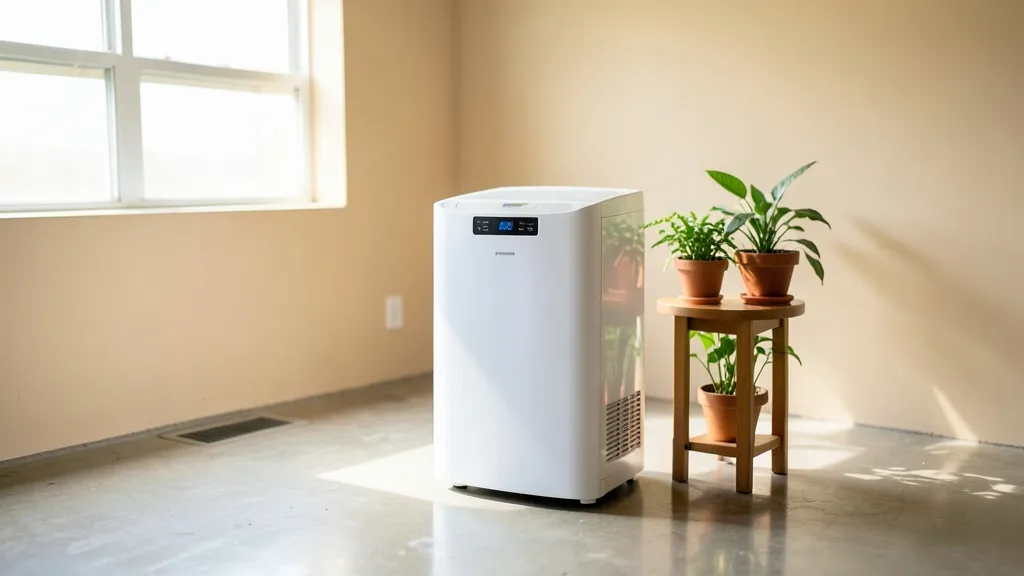
Installing a dehumidifier in your basement or crawl space can keep humidity below 50%, the threshold for mold growth. In attics, ensure proper soffit and ridge vents to allow airflow.
Local Challenges: Eddington’s Climate and Construction
Eddington’s proximity to the Delaware River and its older housing stock create unique challenges. Flooding in low-lying areas like Croydon or Bensalem can lead to chronic water intrusion, while high humidity encourages mold growth year-round.
Many homes here have stone foundations or fieldstone basements, which wick moisture from the soil. These require specialized encapsulation or French drain systems to keep water out long-term.
Seasonal shifts also play a role. Winter condensation from temperature differentials can cause attic mold, while summer storms test the limits of aging roofing systems.
Commercial vs. Residential: Different Rules, Same Risks
Businesses in Eddington or nearby commercial hubs face stricter regulations for mold remediation, especially if employees or customers are exposed. OSHA and EPA guidelines often require professional abatement to ensure safety and compliance.
Large HVAC systems in commercial buildings can spread mold spores rapidly if contaminated. We use specialized fogging techniques and duct cleaning to address these systems without shutting down operations entirely.
How to Respond If You Find Mold in Your Eddington Home
Taking the right steps immediately can prevent a small issue from becoming a major remediation project.
- 1Do Not Disturb the Area
Avoid touching or cleaning the moldy area. Disturbing it can release spores into the air. Close off the room and turn off HVAC systems to limit spread.
- 2Identify and Stop the Moisture Source
Look for leaks, condensation, or high humidity. If safe, place a dehumidifier nearby to slow growth, but do not attempt cleanup without professional guidance.
- 3Contact a Certified Mold Inspector
A professional can assess the extent of the contamination, identify the mold type, and determine if other hazards like asbestos are present. Request a quote to understand your options.
- 4Develop a Remediation Plan
Based on the inspection, a licensed remediation team will create a scope of work, including containment, removal, and moisture control strategies tailored to your home.
- 5Schedule Post-Remediation Testing
After remediation, third-party testing ensures the mold is fully removed and the air quality is safe. This step is critical for peace of mind and resale value.
Frequently Asked Questions
Can I just paint over mold in my Eddington basement?
No. Painting over mold without addressing the underlying moisture and removing the contamination will trap spores, which continue to grow. The mold will eventually resurface, often spreading further. Proper remediation is required.
How do I know if the mold in my home is toxic?
The term 'toxic mold' is misleading—all mold should be treated seriously. Some species, like Stachybotrys (black mold), produce mycotoxins that can cause health issues. A professional mold inspection with lab testing can identify the type and risk level.
Why is mold more common in older homes around Eddington and Andalusia?
Older homes often lack modern moisture barriers, have poor ventilation, and use porous materials like plaster and wood that retain moisture. Aging plumbing, roofs, and foundations also increase the risk of water intrusion over time.
Is mold remediation covered by homeowners insurance in Pennsylvania?
It depends on the cause. If mold results from a 'covered peril' like a burst pipe, your policy may cover remediation. However, mold due to neglect or long-term moisture issues is typically excluded. Check your policy and request a quote for remediation costs.
How long does professional mold remediation take in Eddington?
Timelines vary based on the size and complexity of the job. A small, contained area might take 1-3 days, while extensive contamination in a basement or attic could require a week or more. Containment setup, drying time, and clearance testing add to the duration.
What’s the difference between mold removal and mold remediation?
Mold removal refers to physically eliminating mold from surfaces, while remediation addresses the root cause (moisture) and ensures spores are contained and removed from the air. True remediation includes prevention strategies to stop regrowth.